Hero image of calendar

Economic Calendar

Access all important upcoming global economic news, events and activity that impact financial markets in one place.
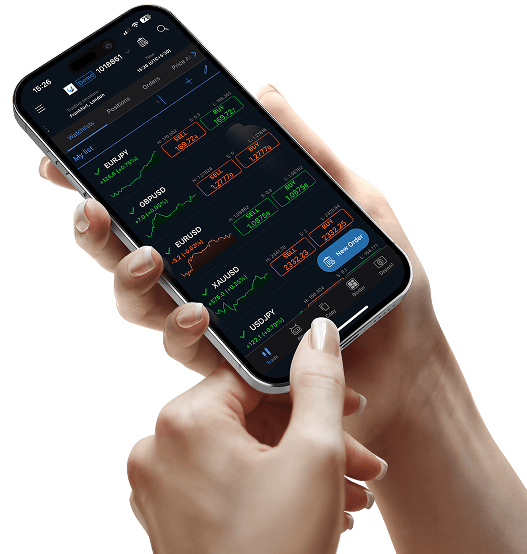

START TRADING

Plan your next move with our Economic Calendar

The Economic Calendar is an essential tool for planning your future trades. It lists important upcoming market events and anticipated economic data releases that could impact global financial markets. Central bank interest rate decisions, inflation and GDP growth figures, retail sales numbers etc. are some of the top shelf data that help traders ride the market wave. Access the Economic Calendar and get real-time market updates to help you plan your next trading actions.

Image of gadget
Image of person with ipad

How to use the Economic Calendar?

Knowing what to expect is the first step to plan your next move. Financial markets are no different as economic forecasts play a role in trading and investing. For instance, an unexpected interest rate decision by the US Federal Reserve could influence the US dollar’s value against other currencies such as the British pound, the euro and the Japanese yen. Same goes for inflation figures missing expectations as Consumer Price Inflation (CPI) could trigger monetary policy action by a central bank.


Some economic data releases tend to impact markets more than others. Traders should identify which reports could affect the financial instruments they would like to trade and design the right strategies involving risk management tools.

Economic calendar categories

Bond auctions

Foreign exchange markets are sensitive to shifts in capital flows, particularly those driven by interest rate expectations and investor sentiment. Among US Treasury instruments, long-term note auctions—such as the 10-year and 30-year—are closely watched by traders. These auctions provide insight into market demand for US debt and expectations for inflation and economic growth.

Holidays

Public holidays vary throughout the globe and it is essential to make special note of them as particular markets do not open on these days. Bank holidays, especially in the US and the UK, sometimes affect trades all over the world. It is also important to note the change in times with many countries having daylight savings. This is why times are listed in GMT.

Central banks

Market analysts closely monitor central bank decisions regarding monetary policies. In Europe this includes interest rate statements by the European Central Bank (ECB). Announcements from the United States Federal Reserve (Fed), Bank of England (BoE), Bank of Japan (BOJ), Bank of Canada (BOC), Swiss National Bank (SNB) and Reserve Bank of Australia (RBA) are scrutinised by economists.

Inflation

The Consumer Price Index (CPI) tracks inflation levels and fluctuations in purchasing trends. Inflation is one of the most important economic indicators that show an economy’s state and is taken into consideration by central bank boards before deciding on monetary policies.

Consumption

Retail sales, consumer credit, bank lending and household spending are sets of data related to the average consumer’s purchasing power. Consumer confidence reports could also reveal clues about an economy’s future trajectory.

Interest rates

Interest rate decisions or the anticipation of a relevant announcement have an impact on a wide range of categories and indicators including forex, stock markets and business confidence. Therefore, traders should be up to date to avoid unexpected decisions that could hurt their trading plans.

Economic activity

Includes a wide range of data used to measure key areas of a country’s economy. In this category you will find Gross Domestic Product (GDP) and economic indicators such as the IHS Markit Manufacturing and Services PMIs - indices used to measure economic trends in the manufacturing and service sectors. Figures relating to the US Durable Goods Orders can also cause bullish or bearish reactions for currencies such as the US dollar (USD).

Labour market

Labour market reports reflect signs of strength or weakness in an economy. Figures on unemployment rates, pay rises, jobless claims and Employment Cost Index (ECI) among others, can influence currency markets and foreign exchange rates. The Producer Price Index (PPI) is another piece of important economic data.

Energy

Commodities play a crucial part in the industrial production process. Commodities play a crucial part in the industrial production process. This is why the supply and cost of crude oil stocks and natural gas are heavily scrutinised. The US EIA (Energy Information Administration) stockpiles report as well as the OPEC (Organisation of Petroleum Exporting Countries) decisions are among the most important pieces of information in the energy sector.

Politics

Foreign relations play a pivotal part in the economy which is why political news and events are very relevant. Elections, geopolitical tensions and national budgets are closely looked at by investors as they may impact legislation and monetary policies.

Onboarding Background

Start trading the global markets with a regulated broker

  • 10,000+ financial instruments
  • Cutting-edge trading platforms
  • Spreads as low as 0.0 pips
  • 24/7 multilingual Customer Support

By registering, you agree to FP Markets’ Privacy Policy and consent to receiving marketing materials from FP Markets in the future. You can unsubscribe at any time.

Get instant Updates in Telegram